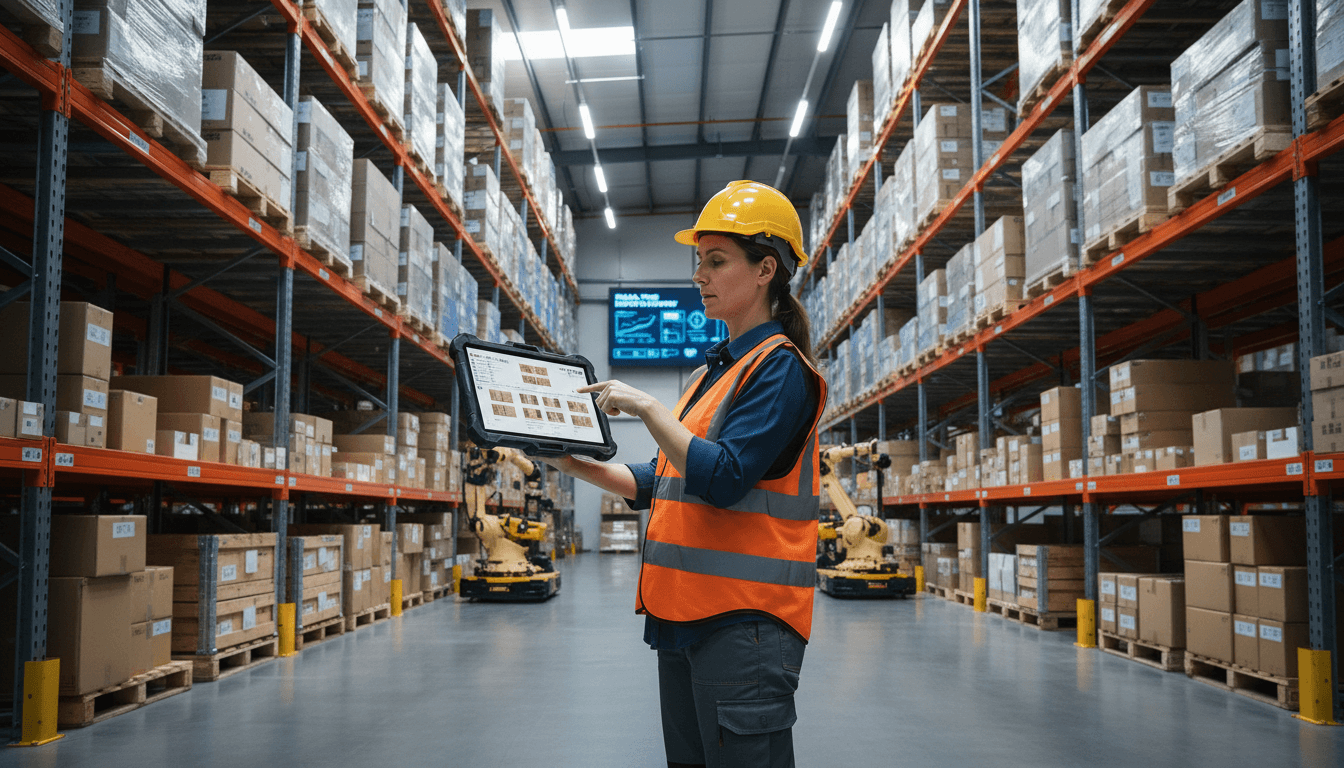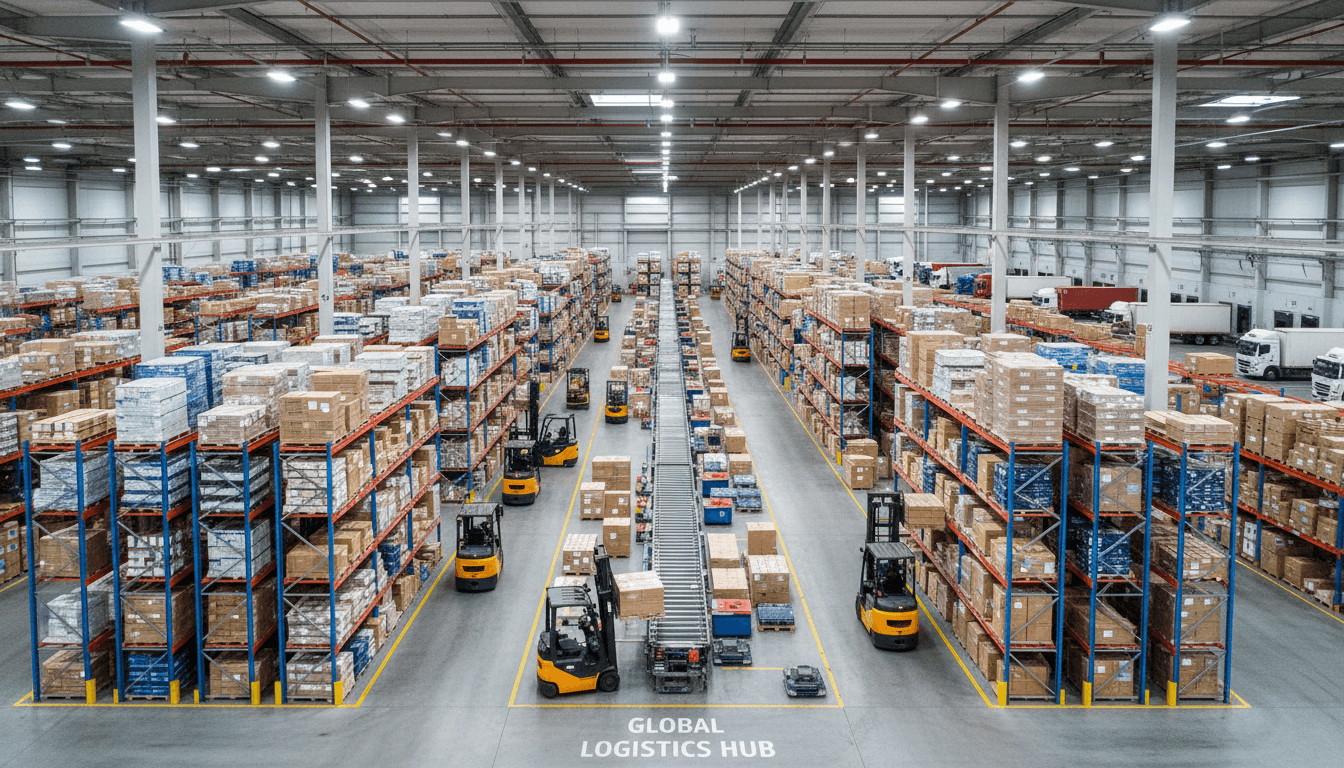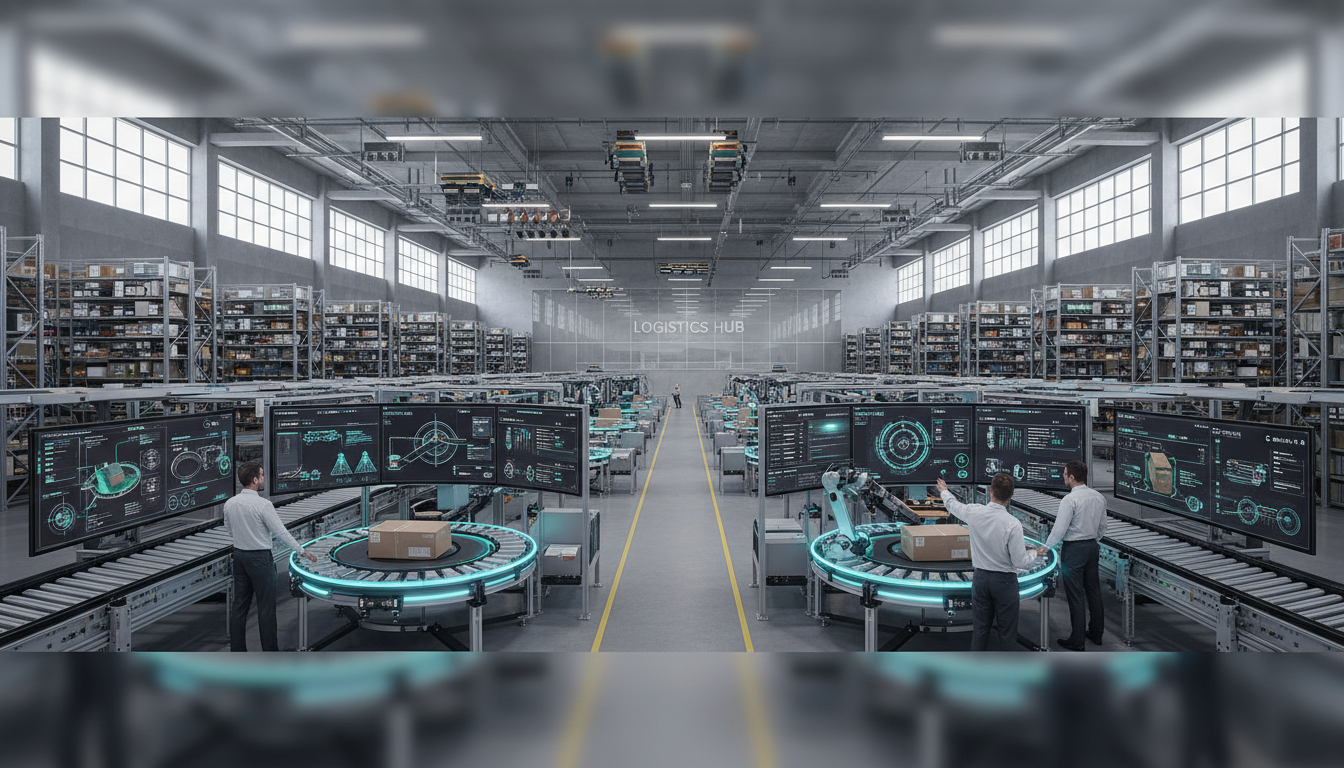
Integrating AI in manufacturing for small business involves transitioning from basic automation to agentic AI systems that manage goal-driven operations within modern ERP frameworks. By 2026, small manufacturers can thrive by adopting composable architectures and industry-specific tools to streamline production through mass customization and real-time data analysis.
For many small manufacturers, the word AI sounds less like a competitive edge and more like an expensive distraction. You are likely managing tight margins and labor shortages while being told to invest in technologies that seem designed for global conglomerates, not regional shop floors. However, by 2026, the gap between those who leverage practical automation and those who rely on manual workarounds will become insurmountable. This article moves beyond the marketing noise to focus on the tangible reality of AI for midsize distributors and agricultural enterprises. You will learn how agentic AI is shifting from simple digital assistants to autonomous operations; why a modular ERP architecture is the essential foundation for these tools; and how Utah manufacturers can prioritize data strategy today to ensure operational resilience tomorrow.
Beyond the Hype: What AI in Manufacturing for Small Business Actually Looks Like in 2026
The current discourse surrounding artificial intelligence is saturated with hype, often leaving local operators more skeptical than inspired. For a manufacturer in Millard County or a distributor across rural Utah, the high-cost moonshot projects favored by global enterprises often lack a clear return on investment. As a strategic advisory firm, we have observed that the most successful applications of AI in manufacturing for small business in 2026 are not flashy; they are functional.
The industry is moving past the novelty of generative AI. While tools like ChatGPT dominated the conversation in years prior, the current shift focuses on specialized, operational AI that is deeply integrated into the supply chain. This evolution marks the end of the Copilot era, where AI acted as a simple digital assistant, and the beginning of a period where intelligence is embedded within core workflows.
For midsize organizations, this means ERP development and implementation now serves as the engine for automated decision making rather than just a digital filing cabinet. By engaging in targeted business and supply chain consulting, Utah businesses are identifying where these specialized tools can solve specific bottlenecks, such as volatile material costs or inconsistent lead times, rather than chasing generic tech trends. The focus has shifted from asking the AI to write a report to letting the AI optimize a production schedule.
The Rise of Agentic AI: From Digital Assistants to Autonomous Operations

The transition from the Copilot era of 2023 and 2024 to the Agentic era represents a fundamental shift in how small businesses interact with technology. While previous iterations of AI were reactive, waiting for a human to provide a prompt or ask a question, agentic AI is proactive. It is designed to act on behalf of the user to achieve a specific goal. Within the context of AI in manufacturing for small business, this means moving from a system that simply alerts you to a problem to one that initiates the solution.
For a Millard County manufacturer, this might manifest in the procurement cycle. If a supplier shipment of raw materials is flagged as delayed in a carrier portal, an AI agent does not just send an email notification. Instead, it autonomously checks current inventory levels, identifies which work orders are impacted, and drafts a revised production schedule for the floor manager to review before the delay even hits the loading dock. This level of autonomy transforms ERP development and implementation from a data entry task into a strategic advantage.
When clients ask how agentic AI can be used in manufacturing, we focus on three specific, high-impact applications:
Autonomous Reordering: By monitoring real-time consumption rates and correlating them with fluctuating vendor lead times, an agent can automatically generate and send purchase orders to maintain optimal safety stock without manual oversight.
Predictive Maintenance Scheduling: Beyond just flagging a vibrating motor, an AI agent can check the machine's warranty status, look for a gap in the production calendar, and tentatively book a technician to minimize downtime.
Dynamic Labor Allocation: If a high-priority order enters the system, the agent analyzes staff certifications and current shift loads to suggest a reassignment of personnel that maximizes throughput for that specific job.
By integrating these agents into a broader framework of business and supply chain consulting, Utah enterprises can reduce the cognitive load on their managers, allowing them to focus on growth rather than constant fire-fighting.
ERP Implementation Trends 2026: Composable and Modular Architectures

The rise of proactive AI agents is made possible by a significant shift in software architecture. By 2026, the era of the monolithic, one size fits all ERP is ending for midsize enterprises. We are seeing a move toward composable ERP, where organizations no longer buy a rigid, locked in suite of tools they only half use. Instead, they assemble modular capabilities that plug into a lean, stable core system. This modularity is a game changer for AI in manufacturing for small business, as it allows owners to integrate specific AI agents without a complete system overhaul.
For a manufacturer in rural Utah, this architecture makes digital transformation far more affordable. Instead of a multi-million dollar capital expenditure for a system that takes years to fully implement, businesses can start with a core financial and inventory module, then add specialized extensions for shop floor control or predictive logistics as their budget and operational maturity grow. This shift favors industry specific solutions over generic software, ensuring that an agricultural distributor has the exact tools for seasonal demand without the bloat of unnecessary features.
However, modularity is not a shortcut. Effective ERP development and implementation requires rigorous process improvement before any new modules are plugged in. A modular system will only highlight existing inefficiencies if the underlying workflows are not optimized first. As a strategic advisory firm, we emphasize that the primary goal of business and supply chain consulting is to define these clean, standardized processes. Only then can a business successfully layer on the specific modules that drive scalable growth and long term efficiency.
Practical AI Use Cases for Midsize Distributors and Agricultural Enterprises
Moving from the architectural framework to the shop floor, the application of AI in manufacturing for small business centers on high impact, low friction use cases. In Millard County and across rural Utah, these tools solve specific operational headaches that previously required manual oversight or expensive guesswork. By focusing on practical utility, midsize firms can realize immediate returns through four primary applications.
First, predictive maintenance for specialized machinery allows operators to move away from reactive repairs. By utilizing sensors that monitor heat, vibration, and cycles, AI can identify when a specific motor or gearbox is nearing failure. For a local plant, this means scheduling service during a planned weekend shift rather than suffering an unplanned shutdown during a peak production run. Second, digital twin technology, bolstered by recent MIT research, enables businesses to simulate workflow changes in a virtual environment. Before rearranging a packing line or adding a new piece of equipment, a manager can run simulations to identify potential bottlenecks; this ensures the physical layout is optimized for throughput from day one.
Inventory optimization remains a critical focus for business and supply chain consulting. AI models analyze historical sales data alongside real time market trends to reduce carrying costs while maintaining safety stock. For agricultural distributors in rural Utah, this is particularly valuable for managing seasonal fluctuations. These tools can predict the exact timing of the spring planting rush or harvest demand, ensuring that seed, fertilizer, and specialized equipment parts are in stock without tying up excessive capital in off season months.
Finally, mass customization workflows are becoming accessible through ERP development and implementation. AI driven systems can manage high mix, low volume production lines by automatically adjusting configurations and work instructions for each unique order. This allow small manufacturers to offer the variety of a custom shop with the efficiency of a high volume producer, creating a significant competitive advantage in a crowded market.
The Data Foundation: Why Your ERP Strategy Must Precede Your AI Strategy
The sophisticated use cases mentioned above share a common, often overlooked requirement: high integrity data. For AI in manufacturing for small business to deliver on the promise of autonomous operations, the underlying digital infrastructure must be flawless. An AI agent is effectively a sophisticated engine; however, it will seize if fed polluted data. If your current system relies on manual workarounds, spreadsheets, or tribal knowledge to fill the gaps in your ERP, layering AI on top will only accelerate your existing inefficiencies.
Data integrity begins with inventory accuracy and standardized workflows. In a typical midsize plant, an AI agent tasked with autonomous reordering will fail if stock levels are not recorded in real time or if lead times for raw materials are outdated. Similarly, clean vendor records are non negotiable. If the system contains multiple entries for the same supplier, each with conflicting payment terms or contact information, the agent cannot execute procurement tasks reliably.
As a strategic advisory firm, we often find that the biggest hurdle to digital transformation is not the technology itself, but the messy state of legacy data. Our approach to business and supply chain consulting involves a rigorous audit of these data points before any automation is introduced. We act as the bridge between your current operational reality and a future state of agentic AI by providing ERP development and implementation that prioritizes clean architecture. By fixing the foundation first, we ensure that the strategic decisions made by AI are based on reality rather than digital noise.
Next Steps for Utah Manufacturers: Preparing for 2026 Today

Transitioning from a data-first mindset to execution requires a structured roadmap tailored to the unique economic landscape of the Intermountain West. For a manufacturer in Delta or Fillmore, the first step is a comprehensive tech audit to identify legacy systems that act as roadblocks. If your current software lacks open API connectivity or real-time data processing, it cannot support the agentic operations projected for 2026. This audit must evaluate not just the age of the software, but its ability to integrate with the modular components discussed previously.
As a strategic advisory firm, we advocate for viewing digital transformation as a strategic journey rather than a simple software purchase. Success in deploying AI in manufacturing for small business depends on aligning technology with specific, measurable business outcomes. Focus on projects with a clear path to ROI, such as reducing scrap rates or shortening lead times for agricultural clients. Scalable growth comes from systems that evolve with your production needs.
Engaging in targeted business and supply chain consulting allows you to prioritize these high-value initiatives. By investing in professional ERP development and implementation now, you ensure that your firm is not just following tech trends for their own sake, but building a durable competitive advantage for the decade to come. The objective is to create a resilient operation that can handle the complexities of the 2026 market with precision and speed.